What is Kaleidoscope Vision?
As an optometrist, we often encounter patients with a wide range of visual concerns, but one of the more perplexing and fascinating experiences they describe is “kaleidoscope vision.” This term, evocative of the playful, fragmented patterns we see through a child’s toy, is far from a source of delight for those who experience it. Instead, it’s often a cause for concern and confusion. Let us walk you through what kaleidoscope vision is, why it happens, and what can be done to manage it—all while sharing insights from our own professional experiences.
What is Kaleidoscope Vision?
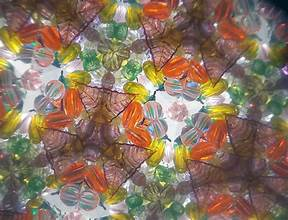
Kaleidoscope vision is a type of visual distortion where your vision fragments into multiple, colorful, and shifting patterns. It’s as though you’re viewing the world through a shattered glass lens or a kaleidoscope. The effect can last for minutes to hours and can be both visually and emotionally disorienting.
Patients often describe it as seeing rainbow-like prisms, jagged shapes, or broken pieces of images that move and shift unpredictably. Kaleidoscope vision can affect one or both eyes and may also interfere with clarity, making everyday tasks like reading or driving incredibly difficult.

While this phenomenon itself isn’t classified as a disease, it is usually a symptom of an underlying condition. Identifying and addressing the root cause is crucial.
What Causes Kaleidoscope Vision?
Kaleidoscope vision isn’t random; it’s a result of disruptions in the visual or neurological systems. Here are some of the most common causes:
1. Ocular Migraines
Ocular migraines are perhaps the most common cause we’ve encountered in our practice. These migraines occur when blood flow to the visual areas of the brain or retina is temporarily reduced. This can lead to kaleidoscope-like patterns or scotomas (blind spots) in the vision.
Interestingly, not all ocular migraines are accompanied by headaches. Some patients experience these visual symptoms in isolation, a condition called “migraine aura without headache.”
2. Migraine with Aura
Similar to ocular migraines, this type involves visual disturbances that precede or accompany a migraine headache. Patients may see zigzag patterns, flashing lights, or the characteristic kaleidoscope effect. These auras are thought to be caused by cortical spreading depression—a wave of electrical activity in the brain followed by a period of reduced activity.
3. Transient Ischemic Attack (TIA)
A TIA, often called a “mini-stroke,” is another potential cause. In these cases, reduced blood flow to the brain’s visual centers can lead to temporary visual disturbances, including kaleidoscope vision. Unlike migraines, TIAs often come with additional symptoms like weakness, difficulty speaking, or numbness. This is a medical emergency and requires immediate attention.
4. Retinal Conditions
Sometimes, the issue lies within the eye itself. Retinal detachment or tears can lead to fragmented and distorted vision. Though this is less common in kaleidoscope vision cases, it’s something we always check for when a patient reports such symptoms.
5. Brain Injuries and Neurological Conditions
Head trauma, brain tumors, or conditions like epilepsy can disrupt the visual processing centers of the brain, leading to unusual visual effects. In these cases, kaleidoscope vision may be one of several neurological symptoms.
6. Stress and Fatigue
Though not a primary cause, stress and fatigue can exacerbate underlying conditions like migraines, making kaleidoscope vision more likely to occur.
7. Medication or Substance Effects
Certain medications, recreational drugs, or even alcohol intoxication can temporarily alter visual perception, including causing kaleidoscope vision.
Recognizing the Symptoms
In our consultations, patients often describe kaleidoscope vision in vivid and varied ways, but there are some common threads:
- Fragmentation: Images appear broken, jagged, or shattered.
- Color Distortion: Multicolored patterns, often resembling prisms or rainbows.
- Movement: Patterns may shift or “dance” across the field of vision.
- Blurriness: Overall vision clarity is reduced.
- Accompanying Symptoms: Headache, dizziness, or nausea often accompany the visual disturbances.
These episodes are typically short-lived but can vary in duration and severity. Keeping a detailed record of symptoms, including triggers and duration, can be invaluable for diagnosis.
Diagnosing Kaleidoscope Vision
When a patient comes to us with complaints of kaleidoscope vision, our first step is to rule out serious conditions like stroke or retinal detachment. This involves:
- Detailed Patient History: we ask about the onset, duration, triggers, and associated symptoms. Migraines, for example, often have identifiable patterns or triggers like stress, dehydration, or specific foods.
- Comprehensive Eye Examination: This includes retinal imaging and assessing the eye’s health to rule out structural issues.
- Neurological Evaluation: If the eyes appear healthy, we may refer the patient for brain imaging (MRI or CT scan) to check for neurological causes like stroke or tumors.
- Blood Tests: These can reveal metabolic imbalances, such as low blood sugar, that might contribute to visual disturbances.
Treatment and Management
The treatment for kaleidoscope vision depends entirely on the underlying cause. Here’s how we approach the most common scenarios:
1. For Migraines
Migraines are manageable with a combination of lifestyle changes and medication. we often recommend:
- Trigger Avoidance: Keeping a migraine diary helps identify and avoid triggers.
- Hydration and Nutrition: Staying hydrated and maintaining stable blood sugar levels can reduce the frequency of migraines.
- Medications: Over-the-counter pain relievers or prescription medications like triptans can be effective. Preventive medications, including beta-blockers or anticonvulsants, may be prescribed for chronic cases.
2. For Neurological Causes
If a TIA or stroke is suspected, immediate medical intervention is crucial. Long-term management may include blood thinners, lifestyle changes, and addressing risk factors like hypertension or high cholesterol.
3. For Retinal Issues
Conditions like retinal detachment require urgent surgical intervention. Early detection and treatment are critical for preserving vision.
4. Stress and Fatigue
For patients whose symptoms are exacerbated by stress, we suggest mindfulness practices, adequate sleep, and regular exercise to improve overall well-being.
Personal Tips for Coping with Kaleidoscope Vision
As someone who has worked with countless patients experiencing kaleidoscope vision, we understand how unsettling it can be. Here are some practical tips:
- Take a Break: If you’re experiencing an episode, stop what you’re doing—especially if it’s something potentially dangerous like driving—and rest your eyes.
- Stay Calm: Anxiety can amplify symptoms. Try deep breathing or grounding techniques to stay calm.
- Seek Support: Don’t hesitate to consult an eye care professional or neurologist if the episodes are recurring or severe.
- Educate Yourself: Understanding the condition can alleviate much of the fear and uncertainty surrounding it.
When to Seek Immediate Medical Attention
While kaleidoscope vision is often benign, certain red flags warrant urgent care:
- Sudden and severe onset of symptoms
- Vision loss
- Accompanying neurological symptoms like difficulty speaking or limb weakness
- Persistent episodes without a clear trigger
These signs may indicate serious conditions like stroke or retinal detachment and require immediate medical evaluation.
Final Thoughts
Kaleidoscope vision is a unique visual phenomenon that can be both fascinating and frightening. While it’s often linked to migraines, it can also signal more serious health concerns. As an optometrist, our priority is to ensure that patients understand their symptoms and receive the appropriate care to address the underlying cause.
If you or someone you know is experiencing kaleidoscope vision, don’t ignore it. Schedule a visit with an eye care professional or neurologist to identify the root cause and take the necessary steps toward management and recovery. Remember, your vision is a precious gift—take care of it!
Discover more from An Eye Care Blog
Subscribe to get the latest posts sent to your email.
You must be logged in to post a comment.