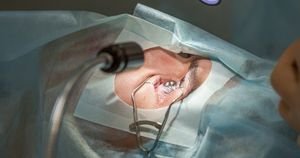
After having surgery for uveitis-associated cataracts, patients who had experienced more uveitis attacks required longer courses of topical steroids, according to a study published in Clinical Ophthalmology.
“Steroid-free recovery time is a clinically relevant metric because prolonged topical corticosteroid use increases the risk of intraocular pressure elevation, delays visual rehabilitation and may contribute to posterior capsule opacification,” Ata Baytarolu, MD, of the department of ophthalmology at Uak Training and Research Hospital, Turkey, and colleagues wrote.
Using data
— Curated from external eye-care sources for opthametry.com readers.

Key Lessons from this article:
The cumulative history of uveitis attacks serves as a vital prognostic indicator.
The “Inflammatory Memory” Effect
The study found a direct correlation between the number of previous uveitis flares and the difficulty of the postoperative course:
- Prolonged Steroid Dependency: Each additional uveitis attack in a patient’s history was associated with a 1.29-day increase in the required duration of postoperative topical corticosteroids.
- Visual Outcomes: A higher frequency of past attacks was moderately correlated with worse final best-corrected visual acuity (BCVA).
- CDE Connection: Longer steroid courses were also linked to higher Cumulative Dissipated Energy (CDE) during phacoemulsification, suggesting that chronic inflammation may lead to denser cataracts or more rigid ocular tissues that require more ultrasound energy to remove.
About Uveitis
What is Uveitis?
Discover more from An Eye Care Blog
Subscribe to get the latest posts sent to your email.