Buphthalmos: Understanding the Enlarged Eye in Pediatric Glaucoma
What is Bupthalmos?
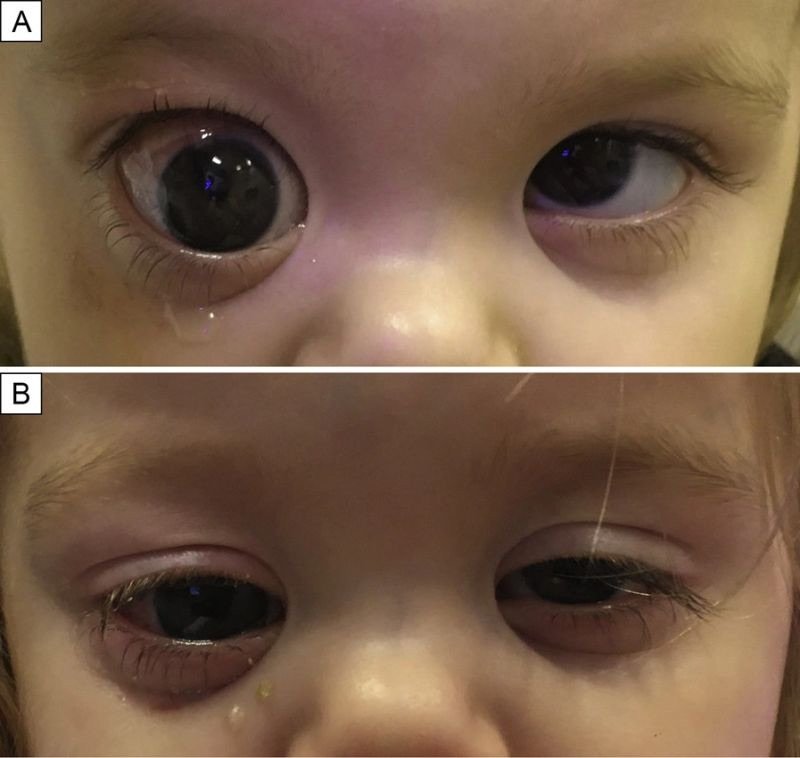
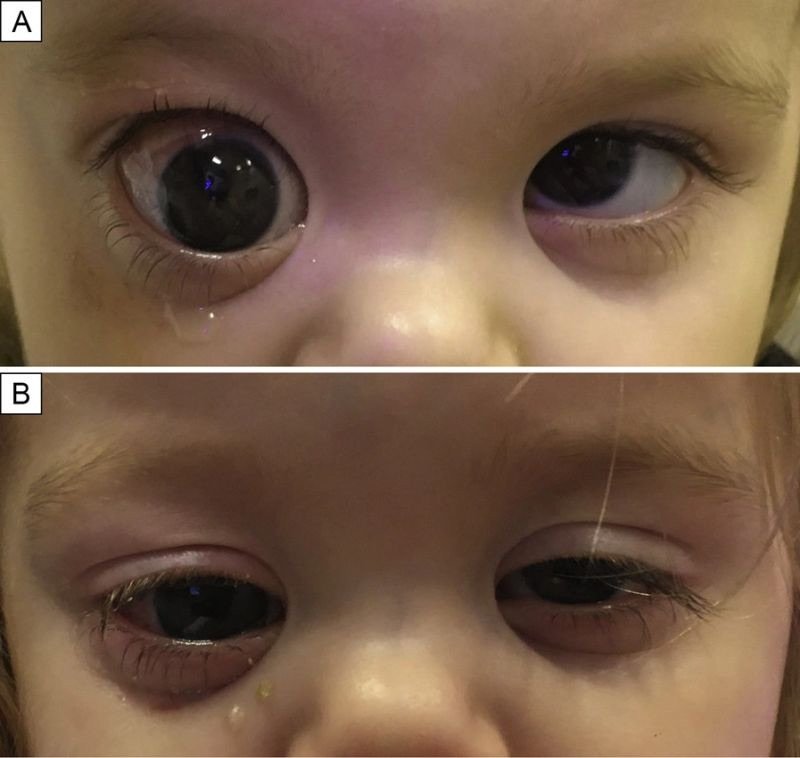
Buphthalmos—sometimes referred to as ox eye or confused with keratoglobus—is a rare but serious condition characterized by an abnormal enlargement of the eyeball. It is primarily caused by elevated intraocular pressure (IOP) in infants and young children, typically under the age of 3. This condition is most commonly associated with infantile or congenital glaucoma, where the normal aqueous outflow pathways are underdeveloped or obstructed.

Causes of Buphthalmos
Congenital Glaucoma: The most common cause. It occurs due to a developmental anomaly of the trabecular meshwork and anterior chamber angle, leading to poor aqueous humor drainage. Infantile Glaucoma: Similar in mechanism to congenital glaucoma, but it presents slightly later—between 1 and 3 years of age. Secondary Glaucoma: This can result from trauma, infections like congenital rubella or CMV, or associated ocular or systemic syndromes (e.g., Sturge-Weber syndrome).
Clinical Symptoms
Patients with buphthalmos typically present with the following signs and symptoms:
Enlarged Eyeball: The most striking feature, often noticeable to caregivers. The sclera and cornea expand due to elevated IOP in the soft, growing eye tissues. Corneal Edema: Swelling and clouding of the cornea due to damage from high pressure. Vision Loss: Variable degrees of visual impairment depending on the duration and severity of the pressure. Eye Pain: Infants may exhibit signs of discomfort, irritability, or frequent rubbing of the eyes. Photophobia: Light sensitivity is common and can be distressing to young patients.
Diagnostic Approach
Early and accurate diagnosis is critical to preserving vision. Key components include:
Comprehensive Eye Exam: Measurement of IOP using tonometry. Assessment of corneal diameter (typically >12 mm suggests buphthalmos). Optic nerve examination to detect cupping or atrophy. Evaluation under anesthesia may be necessary in uncooperative children. Imaging Studies: Ultrasound B-scan can evaluate globe enlargement and optic nerve structure. CT or MRI may be useful in complex or syndromic cases.
Treatment Strategies of Bupthalmos
The primary goal is to reduce intraocular pressure and preserve vision. Treatment modalities include:
Medications: Beta-blockers, carbonic anhydrase inhibitors, and prostaglandin analogs may help in lowering IOP. Systemic medications (e.g., oral acetazolamide) are sometimes used as adjuncts. Surgical Intervention: Trabeculotomy or goniotomy: First-line surgeries for primary congenital glaucoma. Trabeculectomy or glaucoma drainage implants: Used in refractory cases or advanced disease. Corneal transplantation: Considered when corneal opacity severely impairs vision.
Long-Term Management
Buphthalmos requires lifelong management to ensure visual development and prevent complications:
Regular Follow-Up: Periodic assessment of IOP, optic nerve health, and visual acuity is essential. Adherence to Treatment: Parents and caregivers must be educated about the importance of consistent medication use and post-op care. Vision Rehabilitation: Includes low vision aids, amblyopia treatment, or special educational support if needed.
Conclusion
Buphthalmos is a serious manifestation of pediatric glaucoma that requires early detection and a multidisciplinary approach for optimal outcomes. As future optometrists, understanding this condition not only enhances your diagnostic acumen but also empowers you to advocate for timely intervention, ultimately protecting the vision of our youngest patients.
Discover more from An Eye Care Blog
Subscribe to get the latest posts sent to your email.

You must be logged in to post a comment.